Why Financial Audits Need a Technology Upgrade
Financial audit automation is the use of technology—like Robotic Process Automation (RPA), Artificial Intelligence (AI), and Machine Learning (ML)—to perform repetitive audit tasks that traditionally require manual effort. It covers data collection, risk assessment, control testing, transaction analysis, and report generation. The goal is to increase speed, accuracy, and consistency while freeing auditors to focus on professional judgment and strategic advisory work.
Key benefits:
- Speed: Automated data extraction is over 95% faster than manual methods
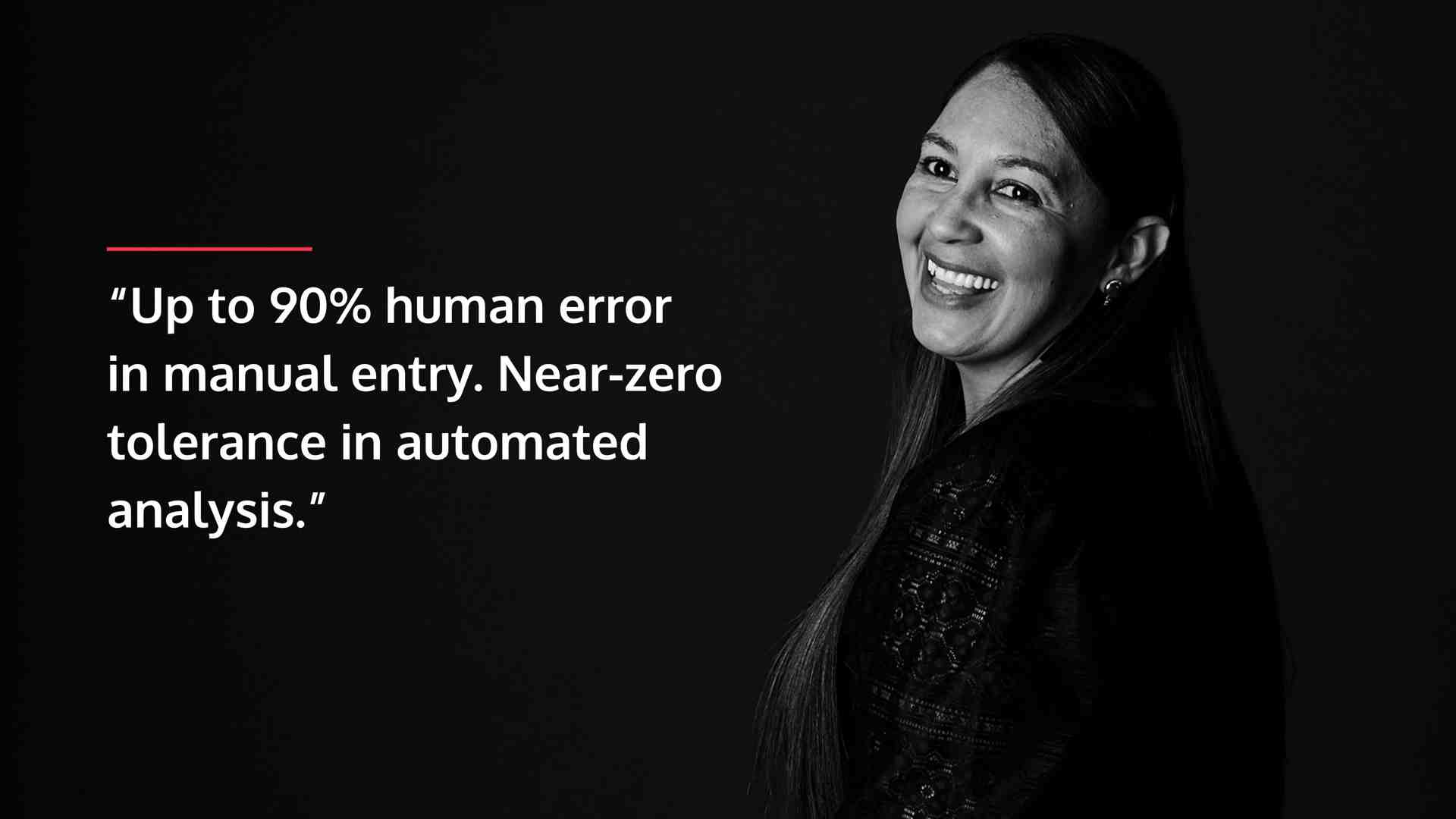
- Accuracy: Audit teams using AI tools reduced manual data-entry errors by as much as 90%
- Coverage: Full-population analysis instead of sample-based testing
- Efficiency: 83% more efficient control mapping and 63% more efficient real-time data reporting
- Profitability: Firms report up to 25% increases in engagement realization
If your firm still relies on spreadsheets, email chains, and manual reconciliations, you’re not just working harder—you’re actively losing ground to competitors who have already made the shift. The audit industry is fiercely competitive, with nearly 2,300 firms registered with the Public Company Accounting Oversight Board (PCAOB) alone. Manual processes are slow, error-prone, and expensive. They drain your best auditors’ time on low-value tasks like data entry and document chasing, leaving little capacity for the strategic analysis that clients actually pay for.
Financial audit automation changes this equation. It replaces manual drudgery with machine precision, analyzing entire datasets in the time it would take a human to review a sample. It flags anomalies in real time, automatically populates workpapers, and generates reports with a single click. The result is faster audits, fewer errors, happier clients, and a team that can focus on judgment, interpretation, and relationship building.
For accounting and CPA firms in the Houston metro area—including Sugarland, Conroe, and Katy—this shift is especially urgent. Many serve high-volume, data-intensive industries like energy, healthcare, and manufacturing, where manual audits simply can’t keep pace with the transaction volumes and complexity. A firm that can audit 100% of a client’s transactions, not just a sample, delivers a qualitatively different service.
This guide walks you through what financial audit automation is, why it matters, where to apply it in your audit workflow, how to choose the right tools, and how to prepare your team for the transition. You’ll also see concrete examples from Houston-area firms that have already made the leap.
I’m Orrin Klopper, CEO and co-founder of Netsurit, a global IT services and digital change company. Over the past three decades, I’ve helped hundreds of professional services firms—including CPA and accounting practices—modernize their operations through strategic IT and automation, including financial audit automation implementations that directly increase efficiency and profitability.
_compressed.jpg?alt=media&token=e6eeb9fa-8462-4849-aa66-782ad052a4aa "Infographic comparing traditional vs automated audit stages - Financial audit automation infographic mindmap-5-items")
This infographic shows the four stages of a traditional audit—planning, controls testing, substantive testing, and reporting—compared to an automated audit. Each stage highlights the time saved through automation: planning reduces from days to hours with automated data gathering and AI-guided risk assessment; controls testing shifts from manual sampling to real-time monitoring; substantive testing moves from limited sampling to full-population analysis; and reporting compresses from manual workpaper assembly to one-click generation. The visual emphasizes the cumulative time savings and increased audit coverage at each stage.
From Manual Drudgery to Automated Precision: What is Financial Audit Automation?
Traditionally, a financial audit validates management’s representation of a company’s financial performance. This often involves a time-consuming process that can take up to three months. Auditors manually review documents, reconcile accounts, and sample transactions to form an opinion. This approach is inherently limited by human capacity and the sheer volume of data involved.
Financial audit automation fundamentally changes this by replacing manual, sample-based testing with automated, full-population analysis. Instead of auditors painstakingly reviewing a small percentage of transactions, automation tools can process an entire dataset. This shift significantly reduces the risk of human error, which can be as high as 90% in manual data entry. By automating these tasks, we ensure greater accuracy and consistency across the audit.
The Core Technologies Driving the Shift
The power behind financial audit automation comes from several advanced technologies:
- Robotic Process Automation (RPA): RPA deploys software robots to mimic human actions in repetitive, rule-based tasks. Think of it as a digital assistant that can log into systems, extract data from documents, and perform reconciliations without human intervention. For instance, an RPA bot can automatically pull invoice data from a vendor portal and match it against your client’s general ledger.
- Artificial Intelligence (AI): AI, particularly in the form of machine learning, allows systems to learn from data, identify patterns, and make predictions or decisions. In auditing, AI can analyze vast datasets to spot anomalies, classify documents, or even predict potential fraud risks. A European Journal study found that audit teams using AI tools reduced manual data-entry errors by as much as 90%, proving AI’s impact on accuracy.
- Machine Learning (ML): A subset of AI, ML algorithms enable continuous improvement. As they process more data, they become more adept at identifying subtle inconsistencies or deviations that might indicate a control weakness or a misstatement. This means the automation gets smarter over time.
- Data Analytics Platforms: These platforms consolidate data from various sources—ERPs, CRMs, financial systems—to provide a unified view. They enable auditors to run complex queries, visualize data, and perform full-population testing to interrogate transactional data across multiple audit areas simultaneously.
These technologies work in harmony, allowing for a data-driven approach to auditing that moves beyond historical, isolated testing methods.
Houston Example: Auditing an Energy Client
Consider a Katy, TX-based CPA firm auditing an upstream oil and gas client. Traditionally, they spent weeks manually sampling and verifying joint interest billing (JIB) statements, which detail expenses shared by partners in a venture. This manual process was prone to human error and often left potential discrepancies unfinded due to limited sampling.
By implementing an RPA tool, the firm now automatically extracts and reconciles 100% of JIB data against production reports and contracts. The RPA bot flags any billing discrepancies or inconsistencies in hours, not weeks. This allows the auditors to focus their valuable time on investigating the flagged items, understanding the root cause, and providing strategic recommendations to the client, rather than sifting through thousands of line items. This shift improves audit quality and delivers significantly faster, more comprehensive results.
The Business Case: Why Your Firm Can’t Afford to Ignore Automation
The move to financial audit automation is not merely a technological upgrade; it is a strategic imperative. The benefits extend far beyond simply doing things faster; they fundamentally reshape how your firm operates and competes.
- Increased Efficiency: Automation tackles the repetitive, low-value tasks that consume auditors’ time. This includes data extraction, reconciliation, and basic control testing. With these tasks handled by machines, auditors can complete engagements more quickly. This means more engagements per auditor, leading to higher revenue potential. AuditBoard customers, for example, have reported 83% more efficient control mapping and 63% more efficient real-time data reporting.
- Improved Accuracy: Manual processes are inherently susceptible to human error. A misplaced decimal or a copy-paste mistake can have significant consequences. Automation eliminates these risks, ensuring consistent application of rules and calculations. This leads to more reliable audit findings and greater confidence in financial statements.
- Higher Profitability: By saving time and reducing errors, automation directly impacts your bottom line. Fewer hours spent on grunt work means lower labor costs per engagement. Fieldguide customers spend 66% less time drafting test procedures with AI, demonstrating substantial time savings. Warren Averett even increased engagement realization by up to 25% with automated report generation.
- Improved Client Satisfaction: Clients appreciate faster, more thorough audits. When auditors spend less time on basic data validation, they have more capacity to provide in-depth insights, strategic advice, and a deeper understanding of the client’s business. This lifts the auditor from a compliance checker to a trusted business advisor.
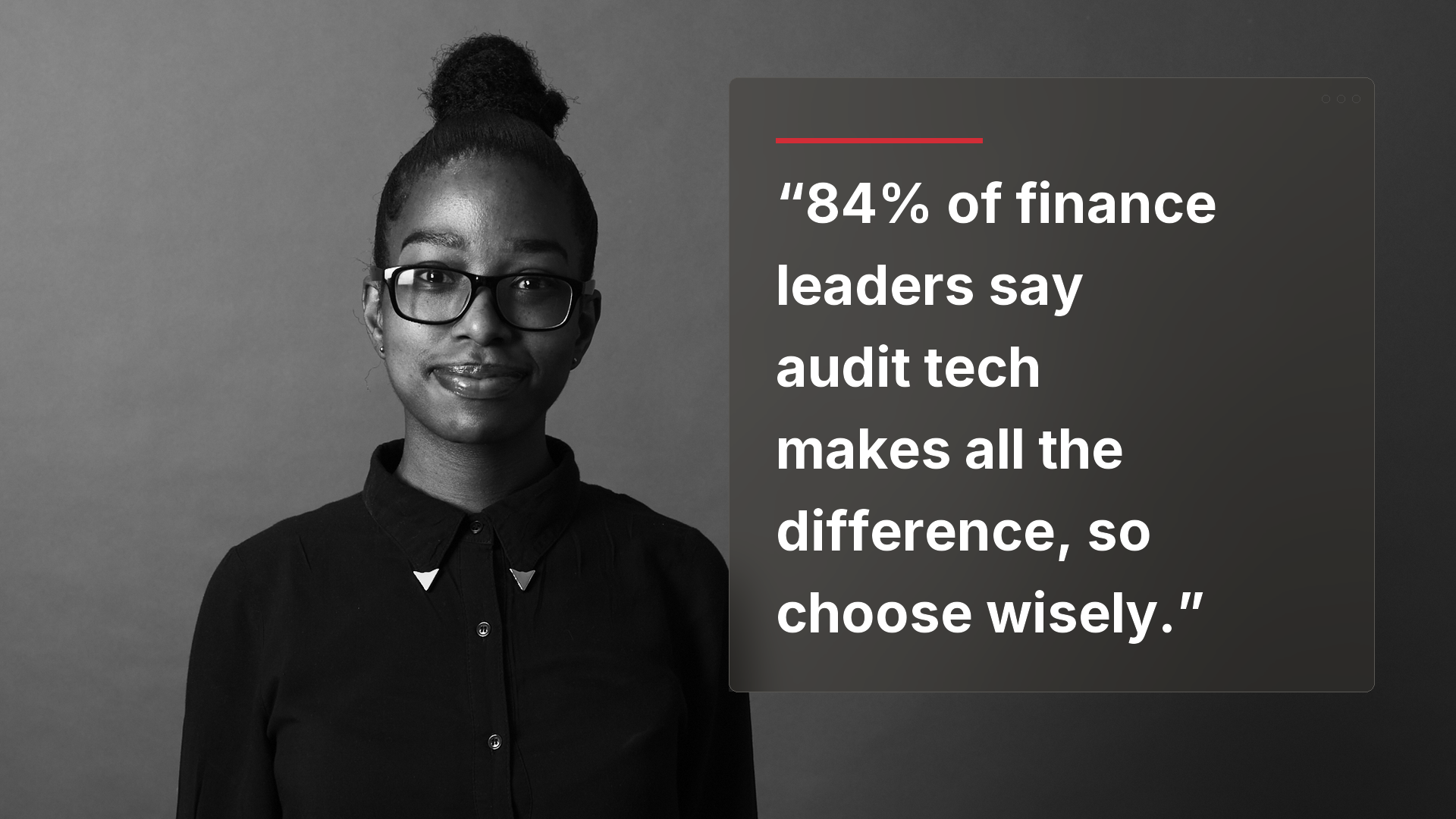
- Competitive Advantage: In a fiercely competitive market, firms that accept automation gain an edge. They can offer more comprehensive services, faster turnaround times, and potentially more competitive pricing due to their internal efficiencies. This allows them to attract and retain clients more effectively. As 84% of finance leaders say audit tech makes all the difference, adopting these tools is crucial for staying relevant.
_compressed.jpg?alt=media&token=987e14d8-6e4c-4aca-a8a1-027d2e159990 "Graphic with red bracket design and text stating that automation is not a tech upgrade but a competitive strategy in auditing.")
Trade-offs of Audit Automation
While the benefits are compelling, a balanced view acknowledges that financial audit automation is not a silver bullet. We must carefully consider its limitations:
- Works best when: Processes are repetitive, rule-based, and involve high volumes of structured data. Think invoice matching, bank reconciliations, or simple control checks. These are prime candidates for RPA and basic AI applications.
- Avoid when: Tasks require significant professional judgment, complex interpretation, or extensive client relationship building. For example, the initial risk assessment interviews or evaluating the reasonableness of complex accounting estimates still demand human expertise and nuanced communication.
- Risks: Over-reliance on technology without proper human oversight can lead to undetected errors, especially if the underlying data is flawed. Magnifying data quality issues is a real concern; if garbage goes in, automated garbage comes out. Initial implementation also presents costs and potential disruption to workflows.
- Mitigations: Implement human-in-the-loop workflows where auditors review automated outputs and apply judgment. Conduct thorough data cleansing before automation. Start with pilot projects in low-risk, high-impact areas to build confidence and refine processes.
Automating the Audit Lifecycle: Where to Start
Financial audit automation can be integrated across all four stages of the audit lifecycle, changing each step from a labor-intensive process into a more efficient, data-driven operation.
Stage 1: Planning and Risk Assessment
This initial stage sets the tone for the entire audit. Automation here moves us from reactive to proactive.
- Automated Data Gathering: Instead of manually requesting and compiling client data, automation tools can connect directly to ERP systems, GLs, and other financial platforms to pull relevant information. This ensures a complete, accurate, and up-to-date dataset for planning.
- Continuous Risk Monitoring: AI-powered tools can continuously monitor client data for unusual patterns or significant changes in financial activity, flagging potential risks as they emerge, rather than just at year-end.
- AI-Guided Risk Identification: Machine learning algorithms can analyze historical audit data and industry benchmarks to identify high-risk areas more effectively. This allows auditors to focus their attention on the most critical aspects of the engagement. This approach is key to developing a sound IT Strategy for your firm.
Stage 2: Internal Controls Testing
Internal controls are the backbone of reliable financial reporting. Automation can continuously verify their effectiveness.
- Automated Control Monitoring: Automation tools can continuously test controls by monitoring transactions and activities in real-time. For example, a system can automatically check if all payments over a certain threshold have the required dual authorization.
- Real-time Exception Flagging: Any deviation from established control procedures is immediately flagged, allowing auditors to investigate exceptions promptly. This replaces periodic, sample-based testing with continuous, full-population monitoring.
- Automated Evidence Collection: For controls that require documented evidence, RPA can automatically collect and organize supporting documents, linking them directly to the control being tested. This eliminates manual chasing and filing.
Stage 3: Substantive Testing and Fieldwork
This is where auditors traditionally spend the most time verifying account balances and transaction classes. Automation here delivers significant gains.
- Automated Data Extraction: Tools can extract specific data points from invoices, contracts, bank statements, and other documents, regardless of format (PDF, scanned images), converting them into structured data for analysis. This is generally over 95% faster than manual extraction.
- Full-Population Transaction Testing: Instead of sampling, AI and ML can analyze every single transaction in a dataset. This allows for comprehensive testing of balances like accounts receivable, accounts payable, and revenue recognition.
- AI-Powered Anomaly Detection: Machine learning algorithms are excellent at identifying unusual transactions, duplicate entries, or patterns that deviate from the norm, which human auditors might miss. This improves fraud detection and error identification.
- Automated Reconciliations: Bank reconciliations, intercompany reconciliations, and sub-ledger to general ledger reconciliations can be performed automatically, with discrepancies highlighted for auditor review.
Stage 4: Reporting
The final stage, reporting, benefits from automation by streamlining documentation and delivering insights more effectively.
- Automated Workpaper Generation: Automation can automatically populate audit workpapers with data extracted and analyzed in previous stages. This saves considerable time and ensures consistency.
- One-Click Report Creation: With all data points and findings organized, tools can generate standard and custom audit reports with minimal manual input, including financial statements, management letters, and compliance reports.
- Real-time Dashboards: Instead of static reports, automated systems can provide dynamic dashboards that offer real-time insights into audit progress, key findings, and risk exposure, enhancing stakeholder alignment.
Choosing Your Toolkit: Key Features in Financial Audit Automation Software
Selecting the right financial audit automation software is a critical decision. With so many platforms claiming to automate everything, it’s essential to know what features truly matter for your firm. 84% of finance leaders say audit tech makes all the difference, so choose wisely.
When evaluating solutions, look for these key features:
- Integration Capabilities: The software must seamlessly integrate with your existing systems (ERP, GL, CRM, payroll, document management). A tool that can’t talk to your data sources will create more work, not less. Look for APIs and pre-built connectors.
- Scalability: Your firm in Houston, Sugar Land, or Conroe will grow. The tool you choose today should serve you well in three to five years, handling increased transaction volumes and new business lines without performance degradation.
- Data Security: This is non-negotiable. You are entrusting sensitive client financial data to this system. Ensure the platform has robust security measures, including data encryption, secure access protocols, and regular security audits.
- User Experience (UX): An intuitive, user-friendly interface is crucial for adoption. If the software is complicated, your team will resist using it, negating its benefits. Look for clear dashboards, easy navigation, and comprehensive documentation.
- Vendor Support: Evaluate the vendor’s reputation for customer support, training, and ongoing updates. A reliable partner will provide the resources needed for successful implementation and continuous optimization.
Critical Security and Data Privacy Considerations
When implementing financial audit automation, data security and privacy are paramount. Handling sensitive financial data requires a vigilant approach.
- Data Encryption: Ensure all data, both in transit and at rest, is strongly encrypted. This protects against unauthorized access.
- Access Controls: Implement strict role-based access controls. Only authorized personnel should have access to specific data sets and functionalities within the automation tool.
- Compliance Certifications (SOC 2, ISO 27001): Reputable automation providers will hold industry-standard security certifications like SOC 2 Type 2 or ISO 27001. These indicate that the vendor adheres to rigorous security and privacy controls.
- Vendor Security Posture: Thoroughly vet potential vendors. Inquire about their incident response plans, data breach notification policies, and how they handle third-party risk. Your firm’s cybersecurity is only as strong as its weakest link. Netsurit specializes in cybersecurity services and can help you assess vendors and ensure your data remains protected.
Houston Example: Selecting a Tool for Growth
A mid-sized firm in Sugar Land, TX, with a growing portfolio of healthcare clients, recognized the need for automation. Their existing manual processes for verifying patient billing and insurance claims were becoming unsustainable, particularly given the strict compliance requirements of HIPAA.
When evaluating automation tools, they prioritized a platform with robust, HIPAA-compliant security features. They specifically looked for vendors with SOC 2 Type 2 certification and strong data encryption capabilities. While a cheaper option was available, it lacked the necessary security assurances. The firm ultimately chose a more secure, albeit initially more expensive, platform that also demonstrated the scalability to handle a projected 3x increase in transaction volume over two years. This strategic decision protected their clients’ sensitive data and positioned the firm for sustainable growth in the healthcare sector.
Implementation and the Evolving Auditor: From Ticker to Strategist
Implementing financial audit automation is not just about installing new software; it’s a journey that involves change management, strategic planning, and a commitment to upskilling your team.
- Change Management: Resistance to change is natural. Auditors may fear job displacement or the complexity of new tools. Address these concerns head-on through clear communication, demonstrating how automation frees them from tedious tasks to focus on higher-value work. Highlighting the benefits to their job satisfaction and career growth helps foster buy-in.
- Implementation Planning: Develop a clear roadmap. Start with a pilot program in a low-risk, high-impact area to demonstrate success and gather feedback. This phased approach allows your team to adapt gradually and helps refine processes before a wider rollout.
- User Adoption: Even intuitive tools require structured onboarding and training. Accountants should factor in sufficient training time to fully realize software benefits. Without proper training, initial missteps can lead to inefficiencies and user frustration. Provide continuous support and create champions within your team to advocate for the new technology.
The New Skillset: How Financial Audit Automation Changes the Auditor’s Role
The narrative that automation will replace auditors is a myth. Instead, it redefines the auditor’s role, shifting it from a “ticker and checker” to a strategic advisor. This evolution requires a new set of skills:
- Shift from Manual Tasks to Strategic Analysis: Auditors will spend less time on data entry and reconciliation, and more time interpreting the results of automated analysis. This means focusing on the “why” behind the numbers, not just the “what.”
- Focus on Judgment and Critical Thinking: Automation handles the routine, but complex issues, unusual patterns, and areas requiring professional judgment will become the auditor’s primary domain. This lifts the intellectual challenge of the job.
- Data Interpretation Skills: Auditors need to understand how automation tools work, how to interpret their outputs, and how to identify when something looks amiss in the automated results. This requires a strong grasp of data analytics and visualization.
- Technology Proficiency: A fundamental understanding of the underlying technologies—RPA, AI, ML, and data analytics—becomes essential. As a paper by the Federation of European Accountants (though a decade old, its point remains perennial) states, “It will be essential for auditors to evolve and maintain professional knowledge and skillsets at the level required to respond to and keep up with the changes [in technology and big data].”
This evolution makes the auditing profession more engaging and valuable, attracting a new generation of talent keen on technology and strategic problem-solving.
What to Watch Next: The Future of Auditing
The evolution of financial audit automation is continuous, with several exciting developments on the horizon:
- Predictive Analytics for Risk Forecasting: Moving beyond identifying current risks, future tools will use predictive analytics to forecast potential issues before they materialize. This will allow firms to advise clients proactively, mitigating problems before they become audit findings.
- Continuous Auditing Models: Imagine an audit that never truly ends. Continuous auditing leverages automation to monitor transactions and controls 24/7, providing real-time assurance and identifying irregularities as they happen. This shift means auditors can intervene and provide insights much earlier.
- Deeper Integration of Generative AI for Narrative Reporting: Generative AI is already changing content creation. In auditing, it will soon assist with drafting narrative portions of audit reports, summarizing complex findings, and even tailoring communications to different stakeholders, based on automated data analysis.
- Increased Regulatory Scrutiny of Automated Audit Evidence: As automation becomes standard, regulators will increasingly scrutinize the reliability and explainability of automated audit evidence. Firms will need to ensure their automated processes are transparent, auditable, and can withstand rigorous review. This means robust documentation of algorithms and data sources.
Conclusion
Financial audit automation is no longer a futuristic concept but a practical necessity for firms to maintain accuracy, efficiency, and a competitive edge. By strategically implementing the right tools and empowering your team with new skills, you transform your audit practice from a reactive, compliance-driven function into a proactive, value-adding service. This allows your Houston-area firm to deliver higher quality audits, faster, and with greater insight for your clients.
At Netsurit, we understand the complexities of integrating advanced technology into professional services firms. We provide the expert IT strategy and support to ensure your technology infrastructure is ready for this change, helping you crush downtime and open up business momentum. Let us help you steer the future of auditing, making your practice smarter, not just harder.